Land area and shape
Larger, regular plots generally offer more flexible rebuild options. Corner plots, wider frontages and deeper sites can each command a premium depending on buyer priorities.
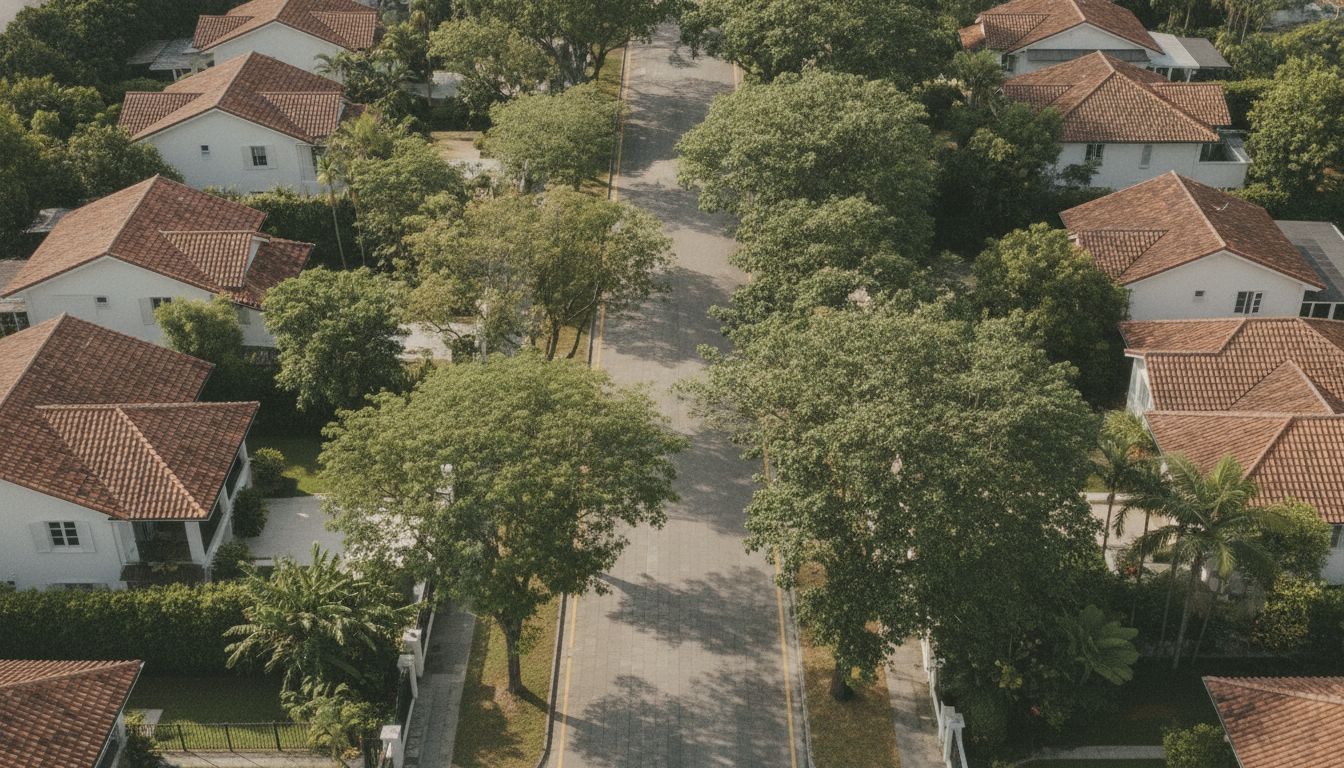
A researched guide to the L-named streets of District 10 — location, property characteristics, verified transactions and the questions to ask before you buy or sell.
Lantana Avenue sits in the Bukit Timah Planning Area of District 10, within the cluster of low-rise L-named streets near Namly and Cypress. Together with Lotus Avenue, Lasia Avenue, Liliy Avenue and Lemon Avenue, it forms a mature landed pocket between Bukit Timah Road and Holland Road.
The street lies in the general vicinity of the Guthrie and Swiss Club planning subzones. This places it roughly 1.1 km from Sixth Avenue MRT on the Downtown Line and within a short drive of the retail and school nodes along Bukit Timah Road, Holland Road and Sixth Avenue. The area is characterised by low-density housing, mature tree cover and a road network that carries limited through-traffic because it is not a major arterial corridor.
Unlike newer fringe estates, this part of District 10 was largely developed as landed housing decades ago. The result is a relatively stable streetscape of inter-terrace, corner-terrace, semi-detached and detached homes, with plot sizes and frontages that vary from street to street.
All boundaries, distances and planning references are approximate. Verify exact locations and travel times against official maps and the Land Transport Authority.
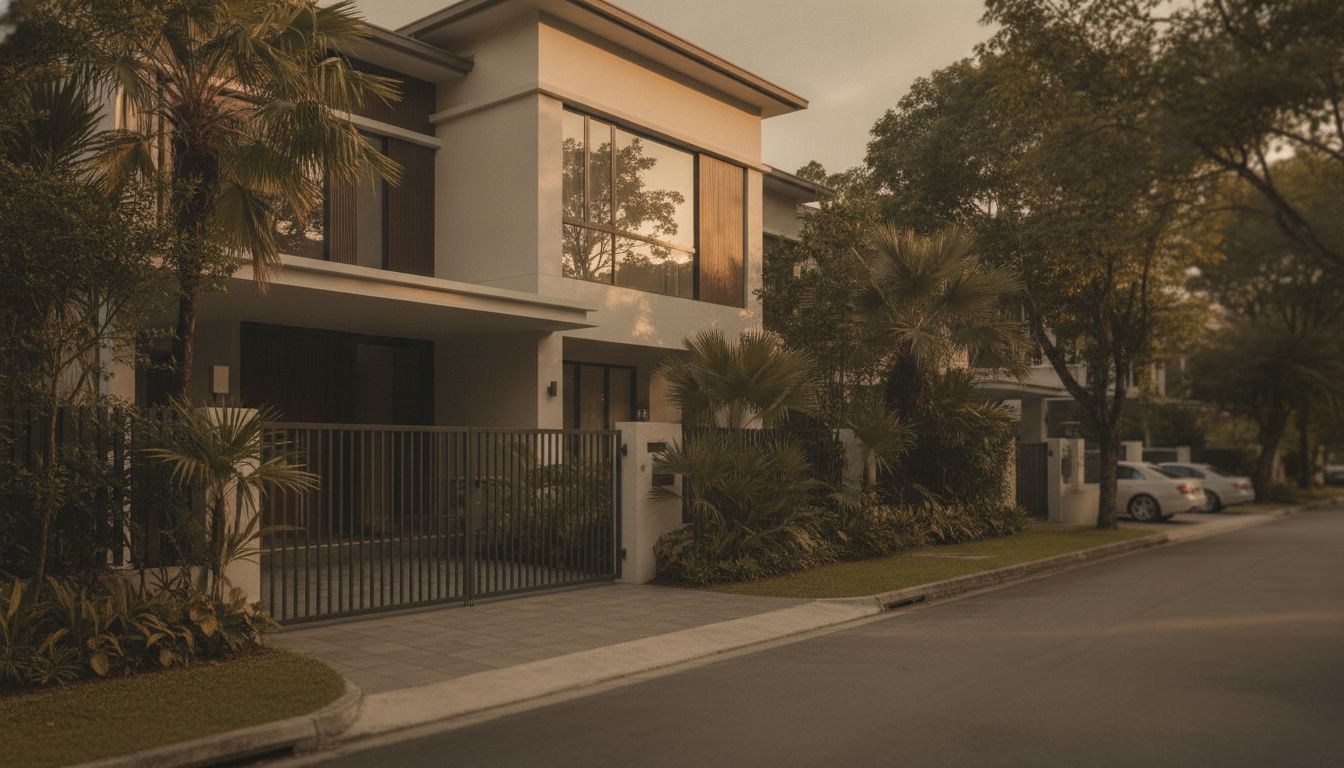
Lantana Avenue is a low-rise residential street, not a through-road to a major commercial hub. That shapes the ownership experience in practical ways.
Traffic and access. The street is reached from the surrounding network of secondary roads. It does not carry the same volume of commuter traffic as Bukit Timah Road or Holland Road, but peak-hour spillover and school-run traffic can affect the wider area.
Plot variation. Land plots on Lantana and the surrounding L-streets are not uniform. Some are regular rectangles; others are corner or irregular plots with different setbacks and effective useable depth. This means two houses on the same street can have very different rebuild potential.
Tenure base. The majority of landed titles in this micro-area are freehold or 999-year leasehold. Buyers should still verify tenure on each individual title, because a small number of plots may carry different tenure terms.
Transaction volume. Transaction activity is naturally low. A sale may occur only once every few years on any given street, which means comparable evidence is thin and each transaction must be read in context rather than as a market signal.
Street character and traffic patterns vary by time of day and season. Visit at different times and speak to residents before forming a view.
The Lantana enclave contains a mix of landed housing types. Understanding the differences helps buyers match a property to their budget, rebuild plans and long-term holding strategy.
Terrace houses form a meaningful part of the housing stock. Inter-terrace units share party walls on both sides; corner-terrace units sit at junctions and typically enjoy additional frontage, side setbacks and more flexible parking. Corner plots often command a premium because they feel more open and may allow larger side windows.
Semi-detached homes share one party wall and generally sit on wider plots than terraces. They suit buyers who want more lateral space and separation from neighbours without committing to the holding cost of a full detached plot.
Detached houses appear on selected plots, often on wider streets or corner sites. Land areas vary considerably, and the value of a detached plot depends heavily on shape, orientation, frontage and whether the existing structure is original or rebuilt.
Most homes in the immediate area are freehold or 999-year leasehold. Land area, plot shape and the applicable URA development control parameters matter more than the architectural style of the existing house, because many buyers ultimately consider rebuilding. A qualified architect's feasibility study is the only reliable way to assess what can be built on a specific plot.
Individual tenure, land area, plot dimensions and redevelopment potential must be verified through title searches, official plans and qualified professionals.
The planning framework around Lantana Avenue protects the low-rise character of the area, but it also constrains what can be rebuilt or altered.
The immediate area is zoned predominantly Residential (Landed) under the Urban Redevelopment Authority's Master Plan. This preserves the low-density character of the estate and limits the introduction of high-rise or large-scale non-residential development. Buyers should check the latest Master Plan for the exact zoning of any specific plot.
Rebuilding or extending a landed home must comply with URA's Development Control parameters, including plot size minimums, setbacks, storey height, coverage and envelope control guidelines. These parameters can vary by site context and street width. What is possible on one plot may not be possible on an apparently similar plot next door.
The area is not a gazetted conservation precinct, but its mature tree cover and established streetscape are among its defining features. Roadside trees and green buffers may be subject to NParks management, and any site works affecting retained vegetation require proper approvals.
As with many mature estates, buried utilities, drainage reserves and access easements can affect boundary definitions or building lines. A detailed land survey and title plan review are essential before committing to a purchase or a rebuild budget.
Planning information changes over time. Confirm current zoning, guidelines and development control parameters with URA and qualified professionals.
The table below shows three verified semi-detached transactions on Lantana Avenue from the URA private residential property transaction dataset. These records illustrate why headline prices alone can be misleading when comparing landed homes.
| Date | Property Type | Tenure | Land Area | Price | Land PSF |
|---|---|---|---|---|---|
| April 2025 | Semi-detached | Freehold | 5,012.79 sq ft | $13,000,000 | $2,593 |
| September 2025 | Semi-detached | Freehold | 3,065.59 sq ft | $9,000,000 | $2,936 |
| August 2026 | Semi-detached | Freehold | 4,171.05 sq ft | $9,000,000 | $2,158 |
Why the same price can mean different things. Two of the transactions above — September 2025 and August 2026 — both transacted at $9,000,000, yet their land areas differed by more than 1,100 sq ft. The smaller plot worked out to $2,936 per square foot of land; the larger plot to $2,158 psf. This is because total price reflects both the land value and the value of the existing structure, while land PSF isolates the land component.
A buyer comparing only total prices might assume the two homes are equivalent. A buyer comparing land PSF would notice that the smaller plot commanded a higher price per square foot of land, which could reflect a newer or better-maintained house, a superior plot shape or orientation, or simply the terms negotiated between buyer and seller.
Conversely, the April 2025 transaction achieved a higher total price ($13,000,000) on a larger plot (5,012.79 sq ft), yet its land PSF ($2,593) sat between the two $9,000,000 sales. This shows that larger land area does not always translate to higher land PSF.
These three records are useful context, but they are not enough to establish a rising or falling price trend. Landed transactions are heterogeneous: each plot differs in shape, orientation, frontage, condition and rebuild potential. For a current valuation, comparable evidence must be reviewed plot by plot.
Source: URA private residential property transaction data, supplied CSV extract covering January 2025–October 2026.
The Lantana enclave sits within a wider District 10 catchment that appeals to families, outdoor-oriented households and buyers who value discreet centrality.
The Bukit Timah and Holland corridor contains a concentration of primary, secondary and international schools. Nearby names include Raffles Girls' Primary School, Henry Park Primary School, Nanyang Primary School, Methodist Girls' School, Hwa Chong Institution and National Junior College. Admission eligibility, exact catchment boundaries and waiting-list conditions change from year to year, so families should confirm details directly with the Ministry of Education and the schools themselves.
Residents have access to the network of parks and nature corridors that run through the Bukit Timah area, including the Bukit Timah Nature Reserve, Rifle Range Nature Park and the Rail Corridor. These green links support walking, jogging and cycling and reinforce the area's low-density, garden-city feel.
Day-to-day amenities, supermarkets and dining options are available at Guthrie House and the neighbouring retail nodes along Sixth Avenue. Larger lifestyle and shopping precincts at Holland Village, Bukit Timah Plaza and along Orchard Road are within a short drive.
Lantana Avenue is accessible via the road network serving Bukit Timah and Holland Road. Sixth Avenue MRT on the Downtown Line is roughly 1.1 km away, and King Albert Park MRT is also on the Downtown Line slightly further west. Bus services and private-hire options are readily available. Exact walking distances and travel times should be verified for any specific address.
Exact distances, travel times, catchment boundaries and school admission criteria should be verified independently for your specific needs.
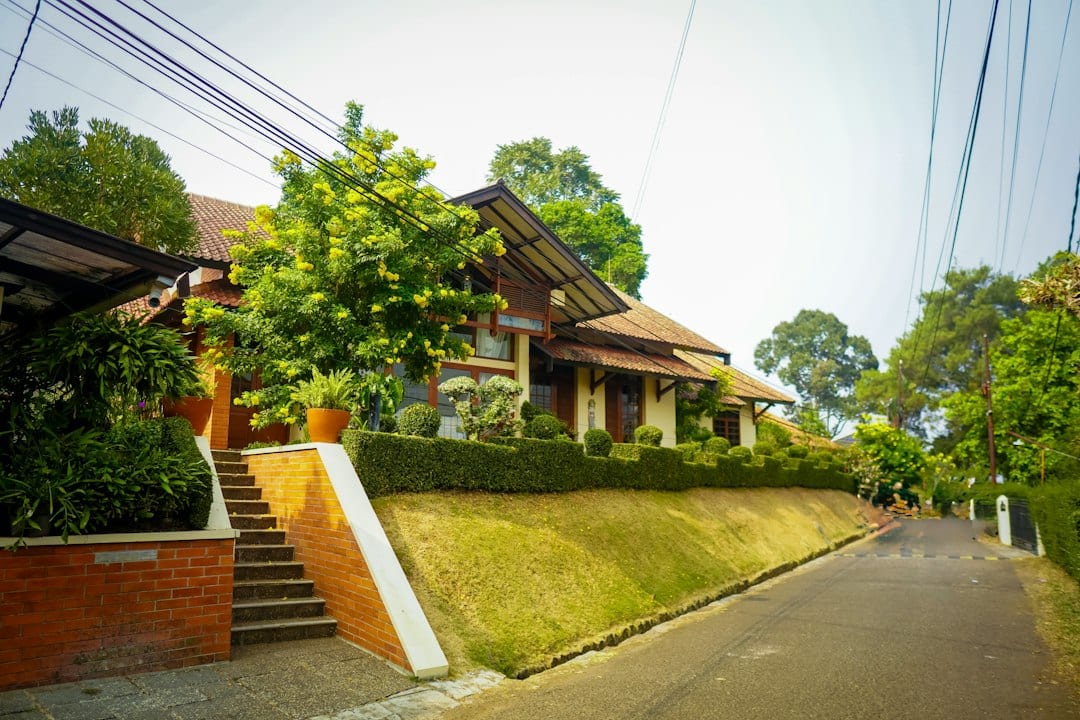
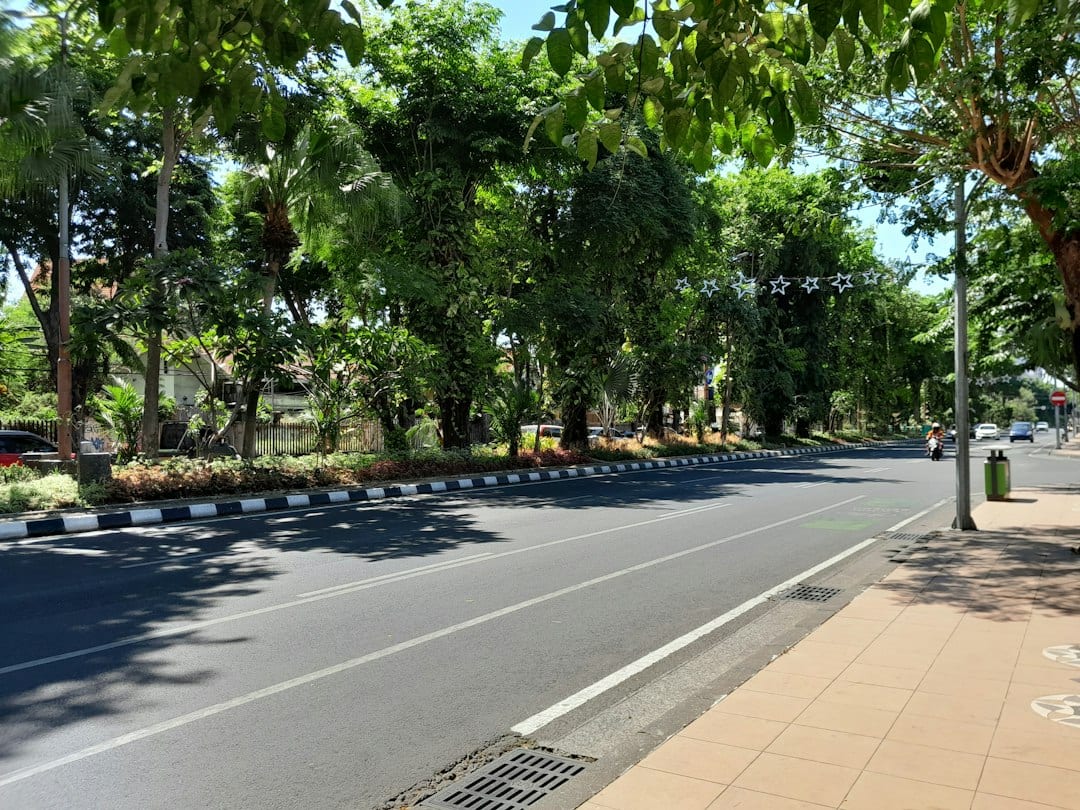
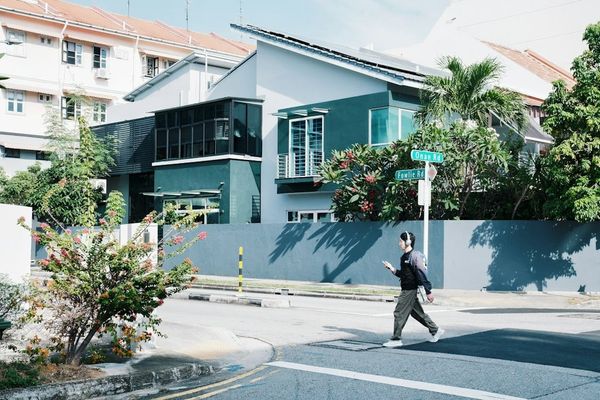
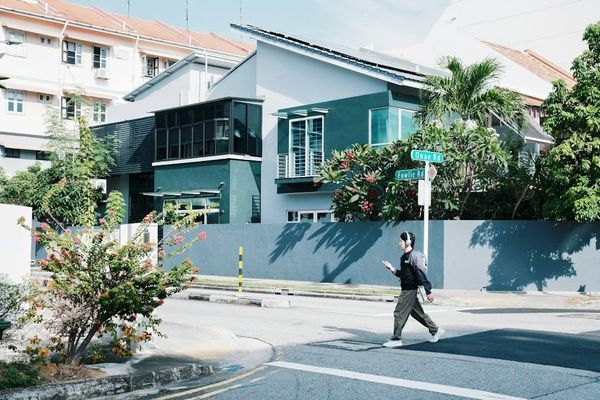
Landed values in the Lantana enclave are driven by a small number of concrete factors. These are the ones buyers and sellers should weigh carefully.
Larger, regular plots generally offer more flexible rebuild options. Corner plots, wider frontages and deeper sites can each command a premium depending on buyer priorities.
North-south orientation, setback depth and neighbouring building heights affect natural light, ventilation and privacy. These factors vary plot by plot.
A well-maintained or recently rebuilt home may justify a higher total price than an original-condition house on a similar plot, because it reduces immediate capital outlay.
Position within the street — corner, mid-terrace, facing a junction, near a green node — influences both daily livability and resale audience.
Freehold and 999-year leasehold titles dominate the area. Any shorter-tenure plot should be valued on a different basis.
Low transaction volume means each sale matters. A single recent transaction can reset buyer and seller expectations, but it should be read alongside plot-specific characteristics.
Value factors are illustrative and not exhaustive. Each property requires individual analysis.
Whether you are considering a purchase or preparing to list, these questions help focus the conversation on what actually matters.
This is not an exhaustive checklist. Engage qualified legal, architectural and property advisors for your specific transaction.
"The value of Lantana and the surrounding L-streets is not in transaction volume. It is in the long-tenure land base, the low-rise character of the area, and the scarcity of comparable precincts so close to the city."
— Taufiq Corvin, Corvin Homes
Our reading of the area rests on three observations. First, turnover is naturally low because the enclave attracts long-term owners; this means buyers must be patient and well prepared. Second, heterogeneity is high — a corner terrace on Liliy Avenue and a detached plot on Lemon Avenue can trade at very different benchmarks, so street-level context matters more than district-level averages. Third, the planning environment is stable: the landed zoning and mature greenery are unlikely to change abruptly, which supports the predictability that landed buyers typically seek.
For buyers, the opportunity lies in identifying underutilised plots or well-priced original-condition homes. For sellers, the task is to articulate what makes a specific plot distinctive in a market where buyers compare across multiple nearby streets. Explore our market intelligence for the wider District 10 context.
The core Lantana enclave includes Lantana Avenue itself, together with Lotus Avenue, Lasia Avenue, Liliy Avenue and Lemon Avenue. These L-named streets sit within the broader District 10 landed pocket near Namly and Cypress.
The area contains a mix of inter-terrace, corner-terrace, semi-detached and detached houses. Many plots retain long freehold or 999-year tenure, and land areas vary widely by typology and street.
URA transaction data for the period April 2025 to August 2026 shows three freehold semi-detached sales: April 2025 at $13,000,000 on 5,012.79 sq ft land ($2,593 land PSF); September 2025 at $9,000,000 on 3,065.59 sq ft land ($2,936 land PSF); and August 2026 at $9,000,000 on 4,171.05 sq ft land ($2,158 land PSF). Source: URA private residential property transaction data, supplied CSV extract covering January 2025–October 2026.
Total price reflects both land value and the value of the existing structure. Land PSF isolates the land component. Two properties can transact at the same price while having very different land areas, which produces different land PSF figures. Other factors such as plot shape, orientation, condition and rebuild potential also influence the negotiated price.
The area is zoned Residential (Landed) under the URA Master Plan. Rebuilds and additions must comply with URA's Development Control parameters on plot size, setbacks, height and coverage. A qualified architect's feasibility study is recommended.
A neighbouring landed enclave with mature, family-oriented streets and established greenery.
Read the guide
Another District 10 address with low-rise living and established landed stock.
Read the guide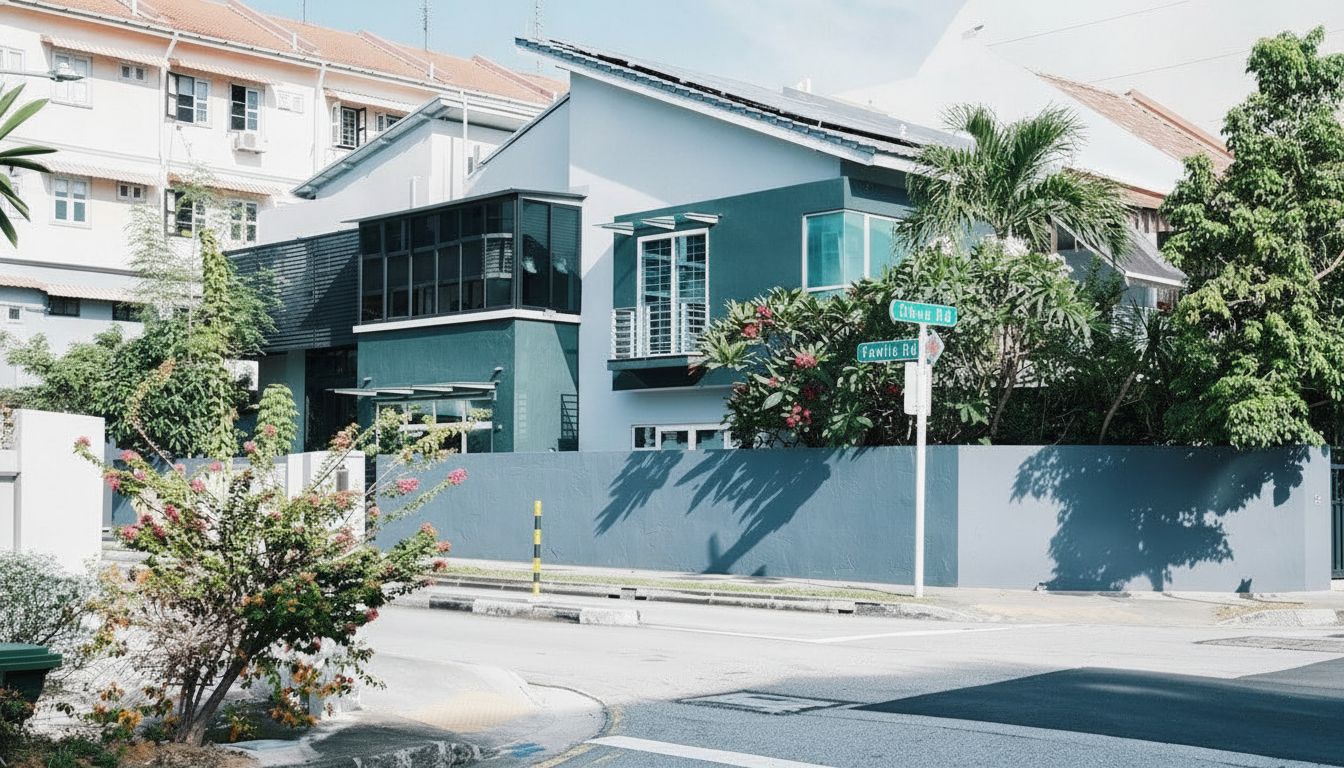
The wider context for landed buyers and sellers across Namly, Lantana, Cypress and beyond.
Explore District 10Whether you are considering a sale, a purchase or a long-term hold, Corvin Homes provides transparent, research-led advisory for the Lantana enclave and surrounding streets.
Understand positioning, pricing strategy and buyer profiles before listing your landed home. Corvin Homes provides market context and discreet advisory tailored to District 10 owners.
Selling advisory WhatsApp TaufiqFrom enclave shortlisting to on-the-ground due diligence, receive guidance grounded in verified data and local insight across Lantana, Namly, Cypress and surrounding streets.
Buying advisory WhatsApp TaufiqTaufiq specialises in landed property advisory across Singapore's District 10 enclaves, including Namly, Lantana, Cypress, Lotus, Lasia, Liliy and Lemon. His approach combines market research, transparent data and discreet, client-led counsel for buyers and sellers of landed homes.
Speak with Taufiq Corvin for a private, no-obligation consultation about buying or selling landed property in District 10.