Land title matters
Most landed homes are sold with the land. Strata landed homes are the exception: you own the house but hold a strata title, similar to a condominium.
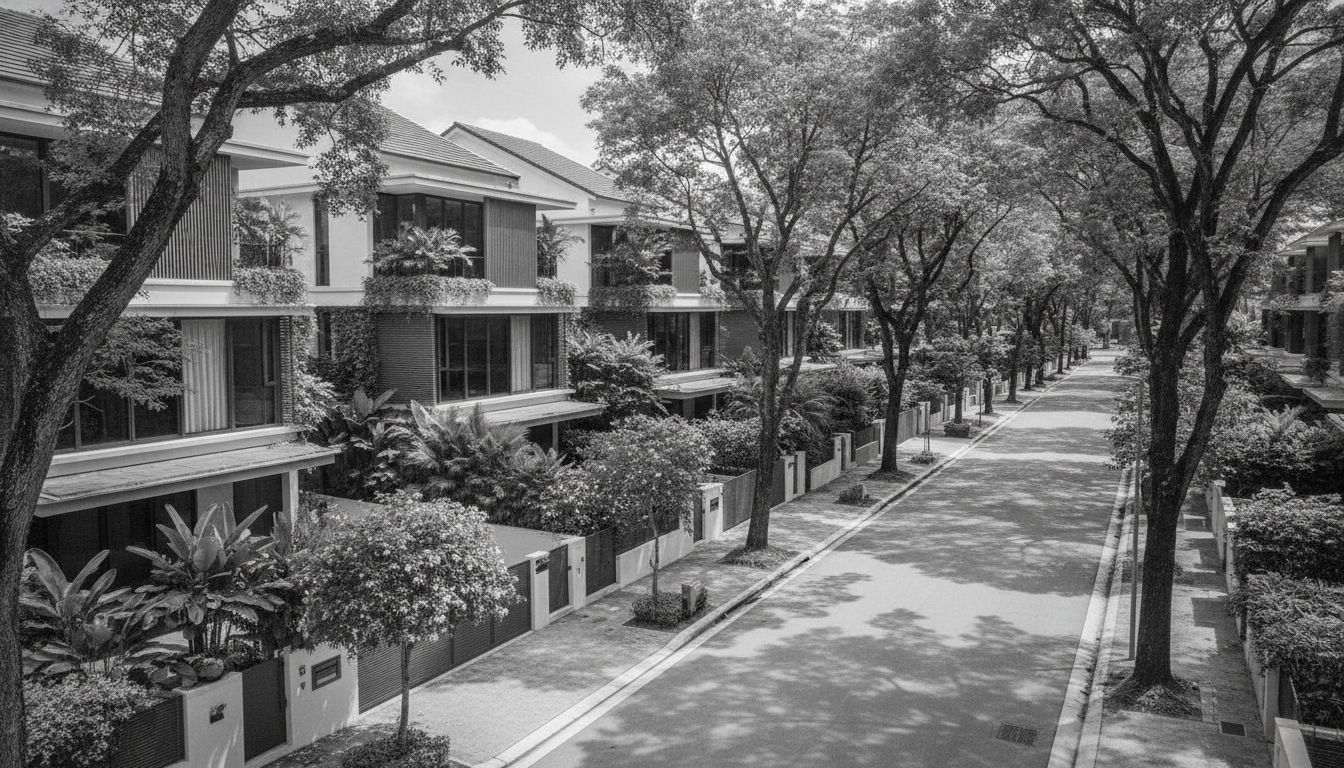
A clear guide to the categories of landed homes — what defines each one, how they differ in ownership and upkeep, and which buyers they suit.
The term "landed property" covers houses built on their own plots, but the rights, responsibilities and day-to-day experience vary sharply between a strata-titled cluster house and a freehold Good Class Bungalow. Knowing the boundaries helps you compare like with like.
Most landed homes are sold with the land. Strata landed homes are the exception: you own the house but hold a strata title, similar to a condominium.
URA zoning, plot ratios, setbacks and height controls determine what can be built or rebuilt. These rules are often more important than the house itself.
Unlike condos, landed owners typically handle their own repairs, security and upkeep. Cluster housing splits some of this through a management corporation.
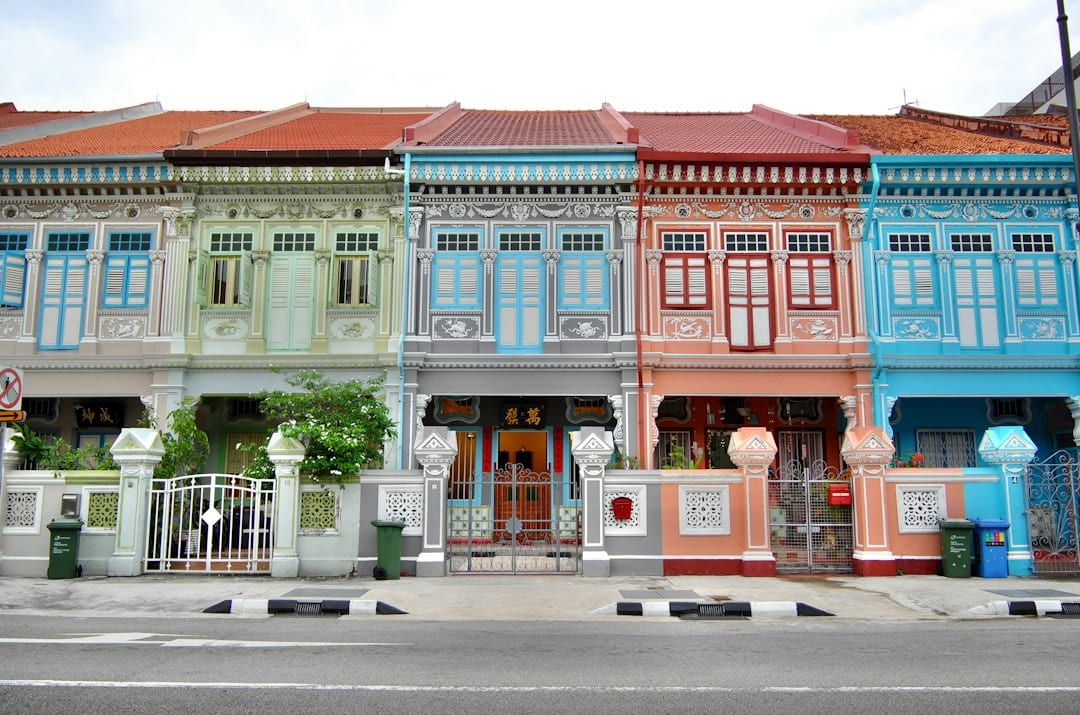
A house in a row of at least three units, each sharing party walls with its neighbours and sitting on its own land title.
An intermediate terrace sits between two other houses. It has front and rear exposures only, because both side walls are shared. This makes the unit the most common and often the most affordable form of landed housing.
Buyers entering landed ownership for the first time, or those who want a manageable house without the upkeep of a larger plot.
The end unit in a terrace row, with one side exposed instead of bounded by a neighbour's wall.
The open side means wider side setbacks, more windows, and usually better natural light and cross-ventilation than an intermediate unit. It also creates room for a side garden, car porch or separate entrance.
Corner terraces trade at a premium because they function more like a semi-detached house in terms of privacy and orientation, while still being classified as terrace. The size of the premium depends on how usable the extra side space is.
Check whether the side setback is on your title or encumbered by a neighbouring accessway, and confirm the exact boundary before assuming the corner plot is fully usable.
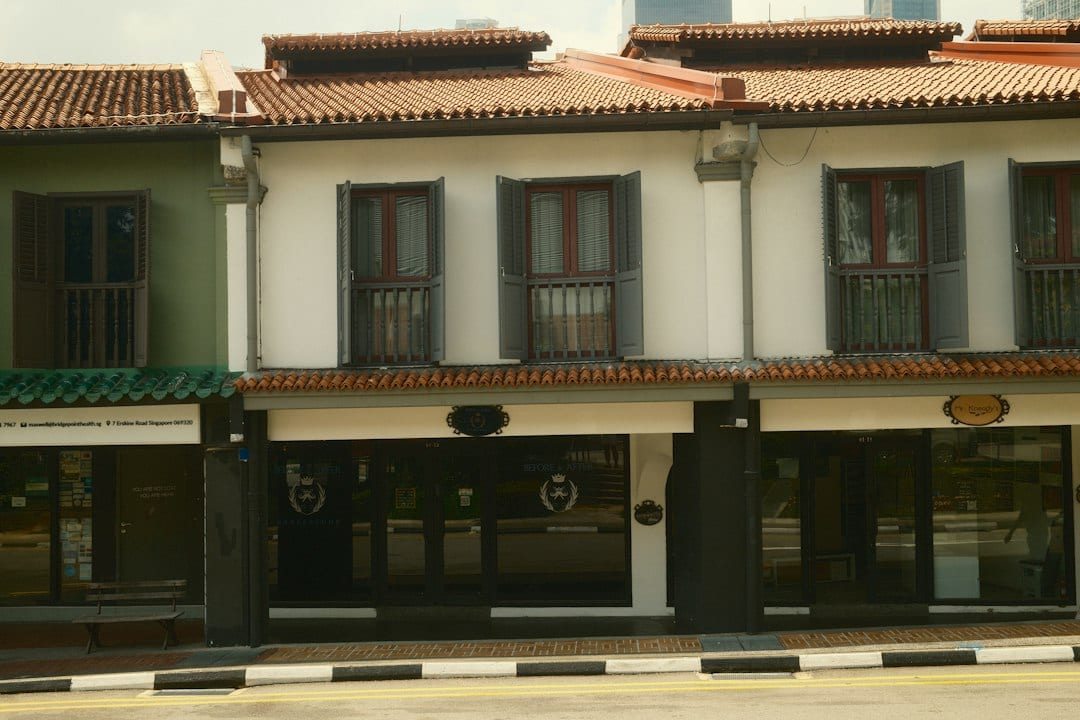
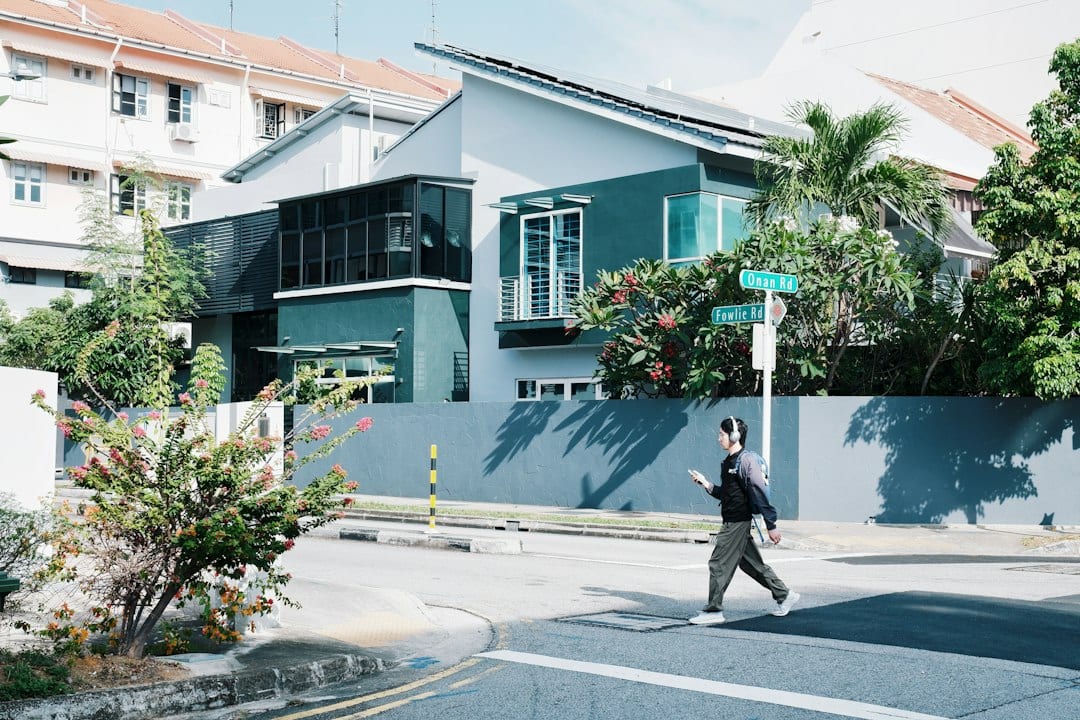
Two houses built side by side, sharing one common party wall, each on its own land title.
Semi-detached houses, sometimes called "semi-D", are often designed as mirror images or complementary pairs. Because only one side is attached, they usually enjoy wider frontages and more side windows than intermediate terraces.
Families who want more space and privacy than a terrace offers, without the full cost and maintenance of a detached bungalow.
A standalone house on its own plot, with no shared walls.
A detached house, commonly called a bungalow in Singapore, is surrounded by its own setbacks. This gives the owner the greatest flexibility over layout, landscaping, pools, parking and future rebuilding.
Buyers who value privacy, space and design control, and are prepared for the corresponding running costs.
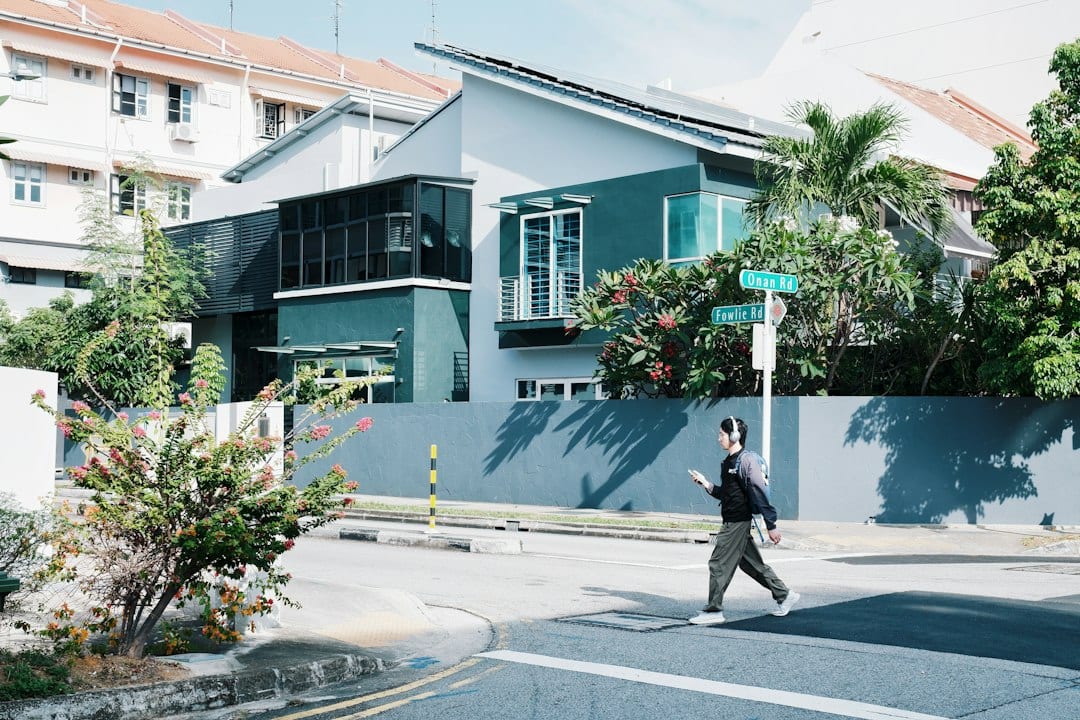
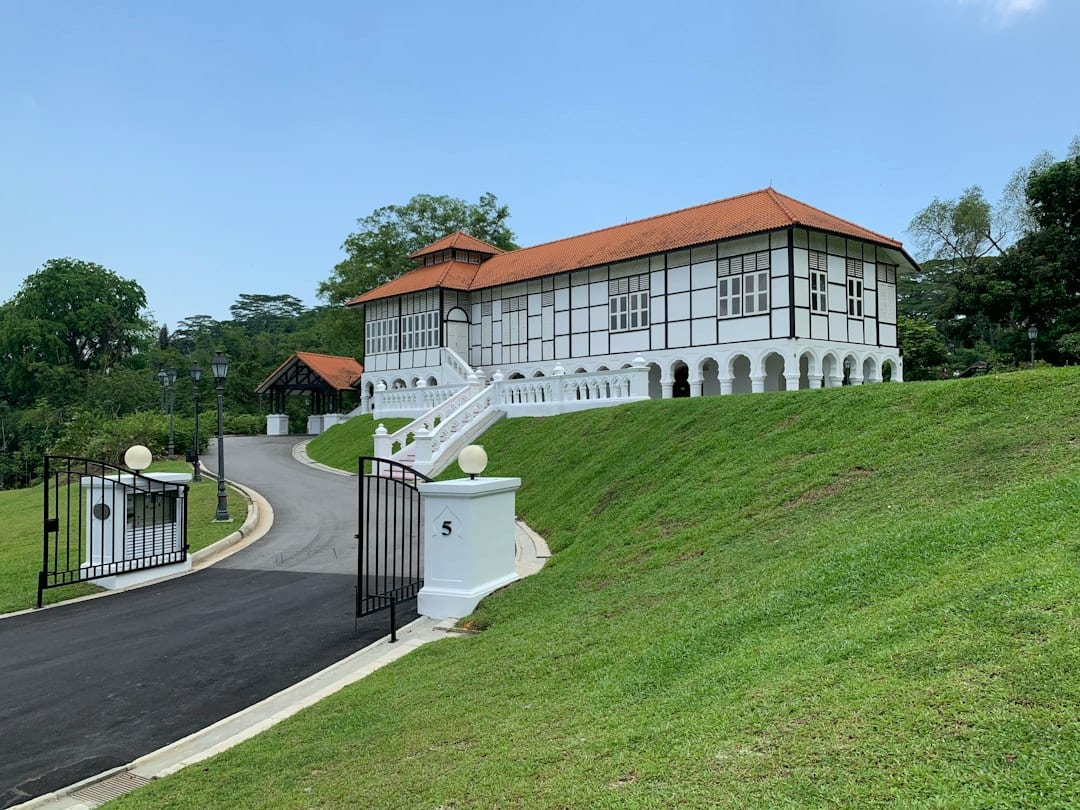
A detached house in one of 39 designated GCB Areas, on a plot of at least 1,400 square metres.
GCB status is a planning category, not just a description of size. The minimum plot is 1,400 sqm (about 15,069 sq ft). URA guidelines also cap site coverage at 35% and restrict height and built form to preserve the low-rise, garden character of these areas.
GCBs can only be purchased by Singapore citizens, with extremely limited exceptions that require government approval. This restriction underpins the exclusivity and price structure of the segment.
A detached house outside a GCB Area may be larger in land area or built-up, but it is not a GCB. The address and planning zone determine the label, not the grandeur of the house.
Landed-style houses arranged within a strata-titled development with shared facilities.
Cluster housing looks like landed housing — terraces, semi-detached units or even small bungalows — but owners hold strata titles rather than land titles. A Management Corporation Strata Title (MCST) maintains the roads, landscaping, gates and common facilities.
Buyers who want the feel of a landed home with condominium-style facilities and lower day-to-day maintenance.
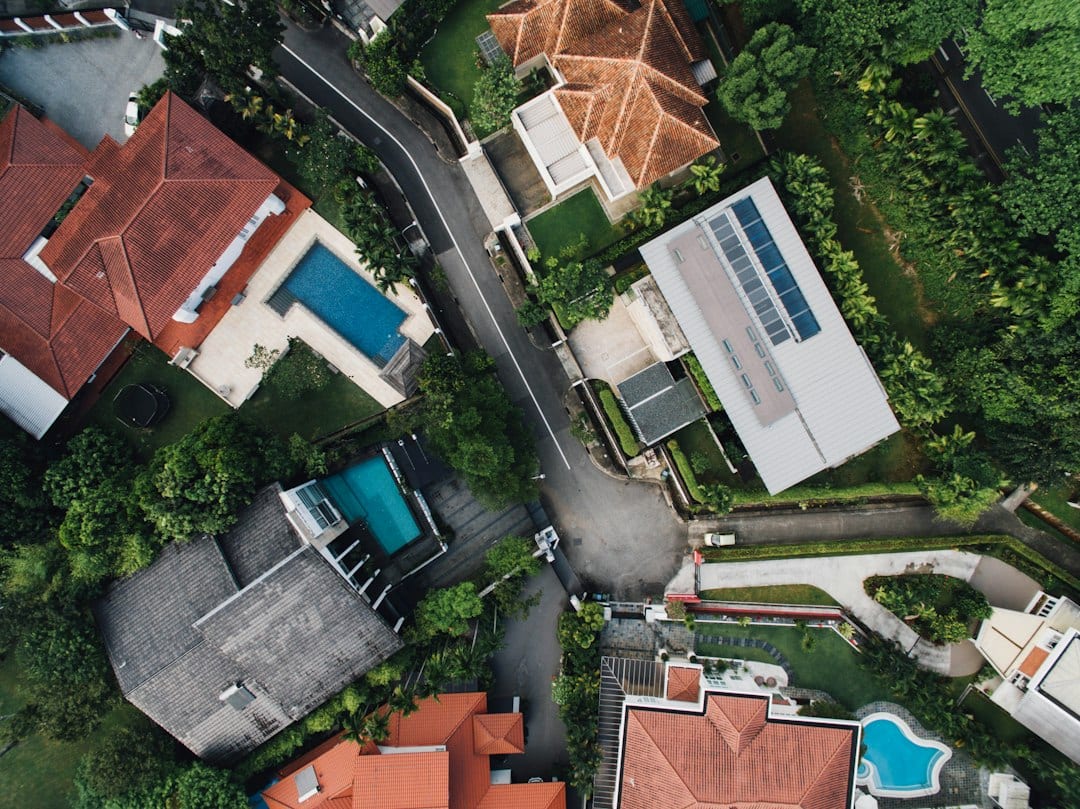
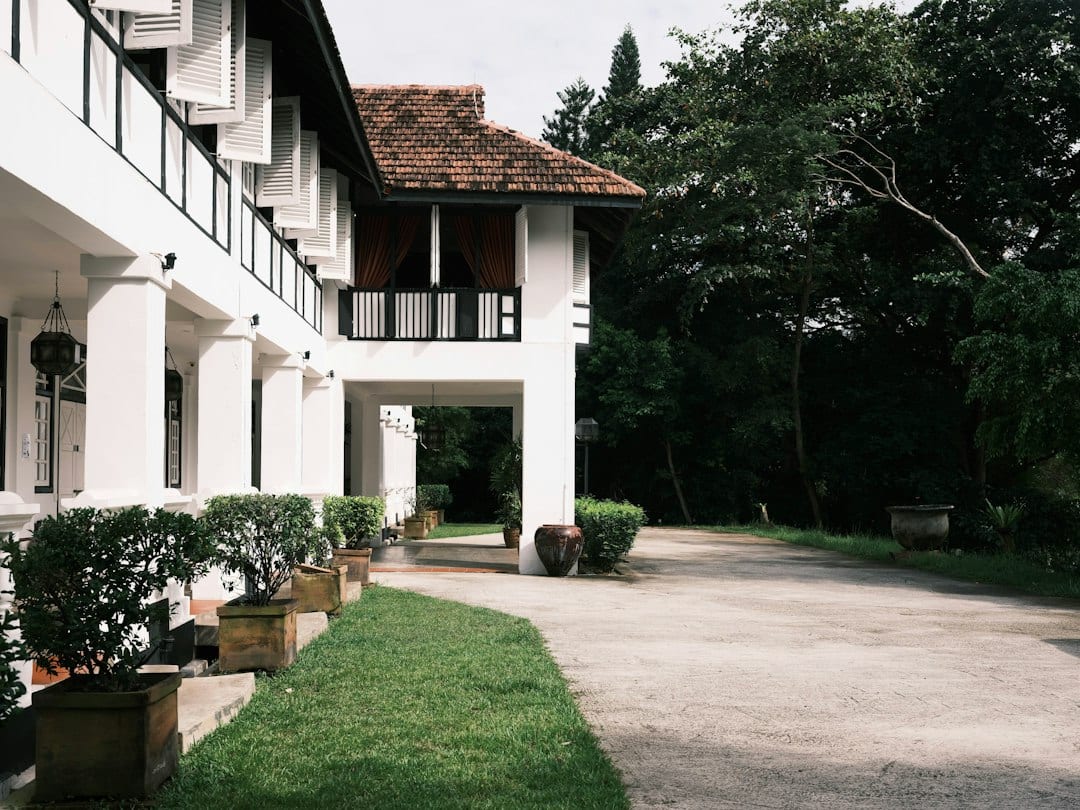
Landed homes gazetted by URA for heritage value, from shophouses to black-and-white bungalows.
Conservation status protects the facade and key architectural features. Any alteration, including rebuilding behind the facade, requires URA approval. In return, approved restoration works may qualify for incentives such as waiver of development charge.
| Property type | Land title | Shared walls | Typical ownership | Maintenance | Redevelopment scope |
|---|---|---|---|---|---|
| Intermediate terrace | Land title | Both sides | Open to citizens and PRs; foreigners restricted | Owner | Limited by frontage and party walls |
| Corner terrace | Land title | One side | Open to citizens and PRs; foreigners restricted | Owner | More flexible than intermediate |
| Semi-detached | Land title | One side | Open to citizens and PRs; foreigners restricted | Owner | Moderate; shared wall is a constraint |
| Detached / bungalow | Land title | None | Open to citizens and PRs; foreigners restricted | Owner | Highest flexibility, subject to URA rules |
| Good Class Bungalow | Land title | None | Singapore citizens only | Owner | Flexible but strictly regulated by URA |
| Cluster / strata landed | Strata title | Varies | Open to citizens and PRs; foreigners restricted for most | Shared via MCST | Limited; MCST and strata rules apply |
Foreign ownership of most landed residential property is restricted under the Residential Property Act. PRs may buy landed homes with approval; citizens face no such restriction. This table is a general guide — always confirm the exact title and zoning for a specific property.
You want to understand upkeep, costs and resale before committing.
Consider: Intermediate or corner terrace for lower entry cost and manageable maintenance.You need more bedrooms, parking and outdoor room than a terrace allows.
Consider: Semi-detached for a balance of space, privacy and running cost.You want no shared walls and full flexibility over the house and garden.
Consider: Detached bungalow, subject to budget and URA rules.You like the idea of a house but not gates, gardening or exterior repairs.
Consider: Cluster or strata landed housing with MCST-managed common areas.You are buying for generational holding and capital preservation.
Consider: Freehold detached bungalow or GCB if citizenship and budget allow.You value architectural history and are willing to accept renovation constraints.
Consider: Conservation shophouse or black-and-white bungalow in a gazetted area.Taufiq Corvin is a landed-property specialist with Huttons Asia Pte Ltd, focused on District 10 enclaves including Namly, Lantana and Cypress. He works with buyers and sellers who want a clear understanding of the property, the street and the transaction before making a decision.
This guide is written as a practical reference. If you are comparing specific properties or need advice on a particular plot, the next step is to look at the title, the URA zoning and the comparable transactions together.
Whether you are narrowing your search to District 10 or preparing to sell, the right next step is to look at the actual title, zoning and transaction history of the properties on your shortlist.
Foreigners who are not permanent residents generally cannot buy landed residential property. Permanent residents can apply for approval under the Residential Property Act, and Singapore citizens face no restriction. Good Class Bungalows are restricted to Singapore citizens only, with very limited exceptions.
A terrace house is part of a row of at least three units sharing party walls. An intermediate terrace has neighbours on both sides; a corner terrace is the end unit with one open side. A semi-detached house is one of a pair sharing only one common party wall, typically with a wider frontage and more privacy than a terrace.
No. GCB is a URA planning designation. A house must sit in one of 39 designated GCB Areas and on a plot of at least 1,400 square metres. A large detached bungalow outside these areas is simply a detached house, not a GCB.
Strata landed housing, often called cluster housing, consists of landed-style homes within a strata-titled development. Owners hold strata titles and share common facilities through a Management Corporation Strata Title (MCST). This brings condominium-style maintenance but less control over land and redevelopment than a non-strata landed home.
Usually yes, subject to URA planning parameters, building control and any conservation or strata restrictions. Detached houses offer the most flexibility. Terrace houses are more constrained by frontage and party walls. Cluster homes require MCST approval. Conservation homes need URA approval for external changes.