Tenure and holding period
Freehold, 999-year or leasehold? Each has a different financing profile and exit calculus. Match the tenure to how long you intend to hold and what you want to leave behind.
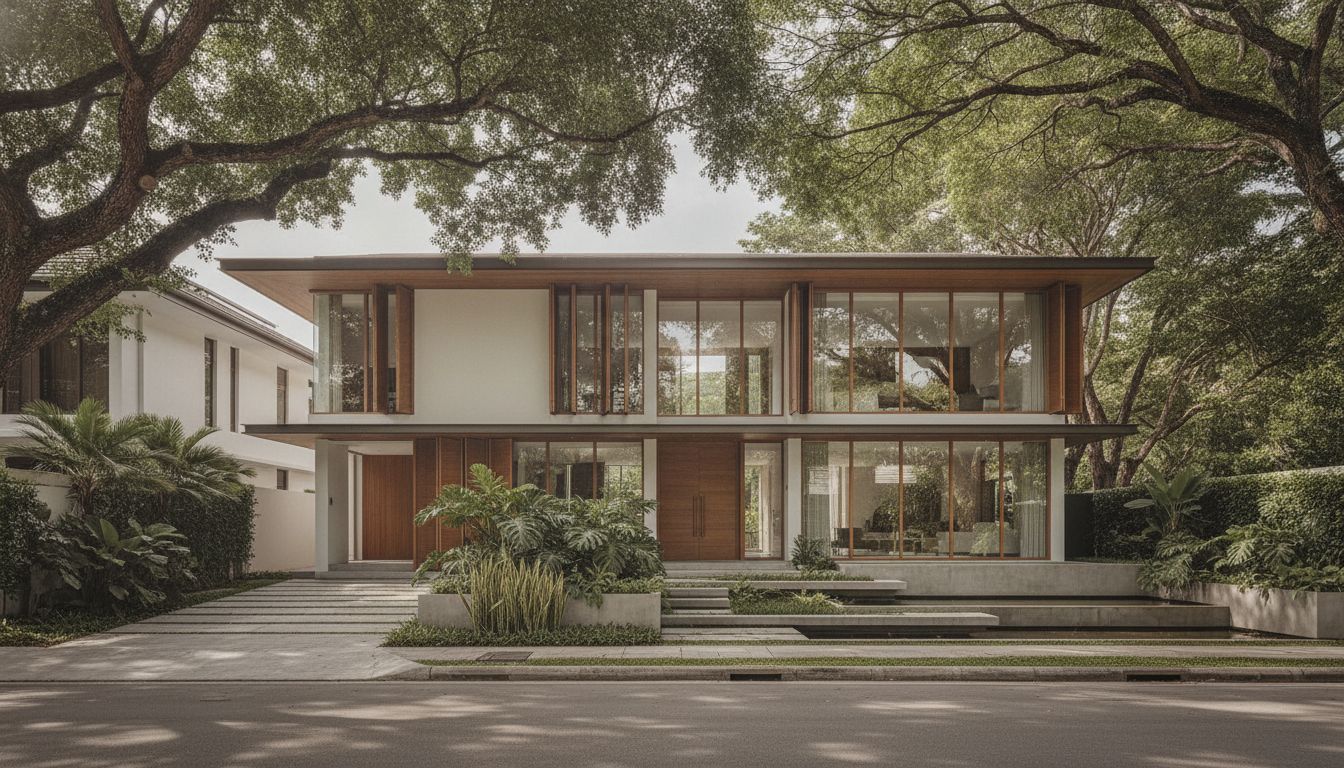
A buyer's roadmap for searching, comparing and committing with confidence. Know what to clarify, what to check and what the transaction data actually measures.
Start with your briefViewing houses before you know your constraints burns time and creates false comparisons. Decide these five things before you step into a single property.
Freehold, 999-year or leasehold? Each has a different financing profile and exit calculus. Match the tenure to how long you intend to hold and what you want to leave behind.
Stamp duty, legal fees, renovation and holding costs sit on top of the purchase price. Work out the all-in number so you do not stretch on the headline and come up short on everything else.
Do you need a home you can move into, or a plot you can redevelop? The answer changes which streets, plot shapes and existing structures are worth your time.
Namly, Lantana, Cypress and the surrounding streets differ in plot width, street width, proximity to schools and the age of the housing stock. Rank what matters to your daily life.
A build-and-move-in timeline is very different from a quick resale purchase. Sellers, financing and negotiation room change depending on how soon you need to complete.
Number of bedrooms, parking, a pool, an elevator shaft, a garden — list the items you will not compromise on. Everything else becomes a trade-off you can weigh rationally.
A landed home is not simply a larger version of a condominium. The ownership structure, cost drivers and day-to-day responsibilities change materially.
URA transaction records show three numbers that buyers often confuse: absolute price, land area and land PSF. The profiles below are illustrative composites based on patterns seen in District 10 landed transaction data. They are not records of specific transactions.
| Illustrative profile | Type | Absolute price | Land area | Land PSF | What the number misses |
|---|---|---|---|---|---|
| A | Terrace | $5.5 million | 2,800 sq ft | ~$1,964 | Lowest PSF, but also the smallest plot and often the narrowest frontage. Rebuild options may be constrained. |
| B | Semi-detached | $8.2 million | 3,800 sq ft | ~$2,158 | Higher PSF than A, but wider frontage, more natural light and typically more usable floor area after rebuilding. |
| C | Detached | $16.5 million | 6,500 sq ft | ~$2,538 | Highest PSF, yet the largest land holding and greatest flexibility for future redevelopment or a pool. |
Key point: Land PSF is a useful comparator only when the underlying plots are otherwise similar. A lower PSF on a small, awkwardly shaped plot with limited rebuild potential can be more expensive in practice than a higher PSF on a regular, well-located plot. Always read the absolute price, land area and site context together.
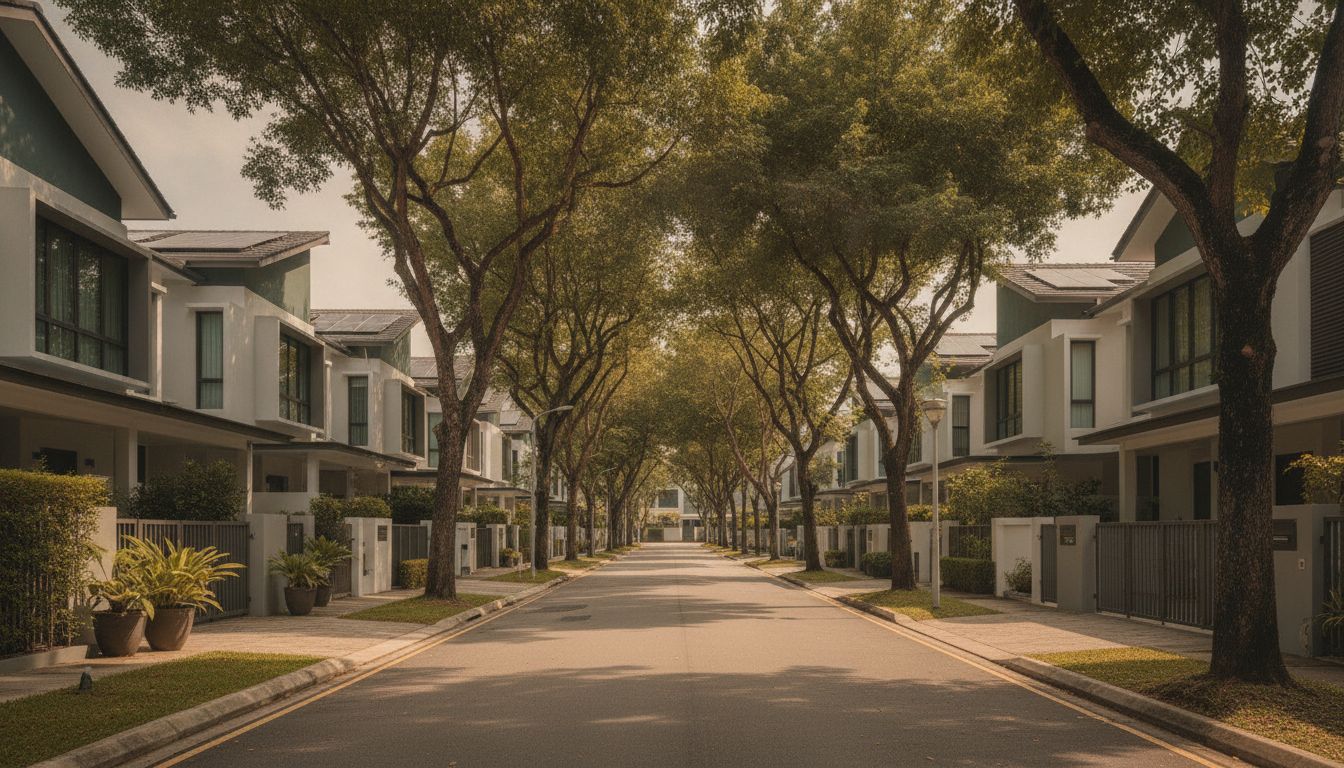
Landed purchases involve larger ticket sizes and tighter liquidity rules. Get the financial and physical facts straight before you negotiate.
The right time to uncover problems is before you sign. Run this checklist with your lawyer, surveyor and banker.
Check URA and SLA records for recent caveats, previous transaction prices and how long the current owner has held the property. A short holding period can signal a distress sale or a problem.
Look at approved and pending planning applications nearby. A future high-rise or an estate redevelopment can change light, view and privacy.
Verify whether neighbours, utilities or the public have any legal rights over the land. Shared driveways and drainage reserves are common in older estates.
Check flood-prone area maps and the direction of storm-water runoff. A lower-lying plot may need additional drainage works.
URA controls how close you can build to the road and to side boundaries. A narrow buffer can limit a future rebuild more than the land area suggests.
Confirm the location of electricity substations, sewer lines and telecom infrastructure. Some underground services cannot be relocated cheaply.
A single advisor who understands District 10 landed stock can save you from comparing apples with oranges and help you read the transaction data correctly.
I work with a small number of buyers at a time. My role is to filter the market to your brief, provide transaction context for the streets you are considering, coordinate the right lawyers and surveyors, and help you negotiate from a position of knowledge rather than urgency.
CEA Registration R060478C · Huttons Asia Pte Ltd